The best running foot pods for runners can add useful performance data, improve stride awareness, or provide practical support when your shoes and watch are not enough. This roundup also includes compatible footwear, insoles, socks, and balance-training tools for a more complete setup.
Because “foot pod” products vary widely, compare connectivity, compatibility, fit, cushioning, and intended use before buying. The right choice depends on whether you want running metrics, everyday comfort, or stability work.
Best 10 Running Foot Pods for Runners Picks for 2026
Best Garmin Pod for Running Metrics
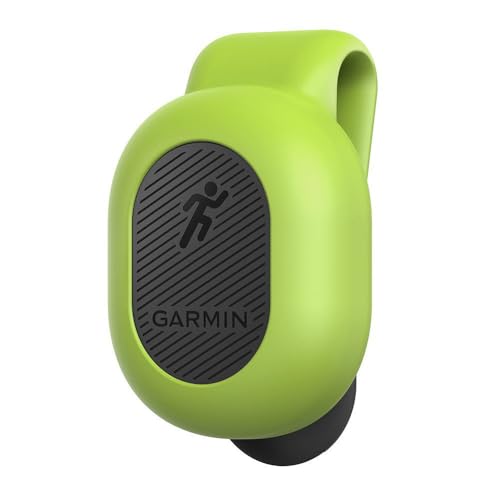
- Sends six running dynamics metrics
- Replaceable battery lasts up to one year
- Automatically turns on and off
Best For: Garmin runners seeking detailed stride data
Best Legacy Nike Sensor

- Tracks time, distance, and pace
- Works with compatible Nike+ shoes
- Supports compatible smartphones and Apple devices
Best For: Basic tracking with compatible Nike+ equipment
Best Foot-Pod Alternative for Indoor Running

- Tracks treadmill runs without an extra foot pod
- Has a large 1.88-inch display
- Includes graphical training modes
Best For: Indoor runners wanting a dedicated GPS watch
Arch-Support Stability
Merrell Kinetic Fit Advanced Footbed

- Contoured medium-arch support
- Deep heel cup improves stability
- Heel cushion pod reduces impact
Best For: Men needing a supportive size 11 insole
Grip-Focused Footbed Feel

- Silicone pods reduce in-shoe slippage
- Arch compression supports a secure fit
- CLIMACOOL wicks sweat
Best For: Multi-sport training and locked-in shoe feel
Best Running Insole for Alignment

- Adaptive support for low, medium, and high arches
- Three-density system absorbs shock and returns energy
- Thin, breathable design with a deep heel cup
Best For: Runners seeking low-profile support and pronation control
Best Balance Training Pod Set

- Two spiked PVC pods for balance and coordination drills
- Textured surfaces provide foot massage stimulation
- Compact design suits home, gym, yoga, or office use
Best For: Runners adding balance and foot-mobility exercises
Best Metatarsal Support Insole

- Metatarsal pad targets pressure under the forefoot
- TPU arch support and U-cup heel add stability
- Moisture-wicking design fits several shoe types
Best For: Runners needing structured forefoot and arch support
Best Garmin Pod for Running Metrics – Garmin Running Dynamics Pod
The Garmin Running Dynamics Pod is a focused choice for runners who want more detailed stride feedback from compatible Garmin devices. As running foot pods for runners go, it stands out by sending six running dynamics metrics over Bluetooth while staying small and unobtrusive.
Best For: Garmin users who want running dynamics data without wearing another large device.
Pros:
- Computes and sends six running dynamics metrics.
- Replaceable battery lasts up to one year with one hour of daily use.
- Automatically turns on and off.
- Waterproof and weighs about 1.6 ounces.
Cons:
- Compatibility is limited to the Garmin devices listed by the manufacturer.
- It does not include a display, so data is viewed on a compatible device.
This is a particularly practical pick for runners already invested in Garmin’s ecosystem. Confirm device compatibility before buying, but the long battery life and automatic operation make it convenient for regular training.
Best Legacy Nike Sensor – Nike+ Standalone Sensor
The Nike+ Standalone Sensor is a simple pedometer-style option for tracking core run information. It is designed to record time, distance, pace, and more, with compatibility noted for Nike+ shoes and devices such as iPod touch, iPod nano, and iPhone.
Best For: Runners using compatible Nike+ footwear or older Apple devices who want basic run tracking.
Pros:
- Tracks time, distance, and pace.
- Works with most Nike+ compatible shoes according to the supplied details.
- Designed to connect with compatible smartphones and Apple devices.
Cons:
- Compatibility depends on Nike+ compatible shoes or supported devices.
- The supplied details do not specify current software support.
This sensor may suit runners looking for a straightforward, older-style tracking accessory, but its usefulness depends heavily on having compatible Nike+ hardware. Check your existing shoes and device before purchasing.
Best Foot-Pod Alternative for Indoor Running – TomTom Runner Limited Edition
The renewed TomTom Runner Limited Edition is a wrist-worn GPS running watch rather than a traditional foot pod. For runners comparing running foot pods for runners, its key advantage is built-in indoor tracking for treadmill sessions without requiring an extra foot pod.
Best For: Runners who want a dedicated display and indoor treadmill tracking without a separate sensor.
Pros:
- Tracks indoor runs and treadmills without an extra foot pod.
- Extra-large 1.88-inch display shows key running stats at a glance.
- Includes three graphical training modes.
- One-button control and QuickGPSFix are designed for straightforward use.
Cons:
- This is a wrist-mounted GPS watch, not a shoe-mounted foot pod.
- Battery life is listed at 10 hours.
- As a renewed product, it includes a 90-day limited warranty.
Choose this model if you prefer an all-in-one watch with its own screen and treadmill tracking. It is less suitable if your goal is a compact sensor that adds running metrics to another watch.
Best Supportive Insole for Running Shoes – Spenco Total Support Max
The Spenco Total Support Max is an orthotic shoe insole, not an electronic running sensor. Still, it belongs in a broader roundup of running foot pods for runners because its support pod, deep heel cup, and cushioning are aimed at improving foot comfort and stability during active use.
Best For: Runners with high arches or overpronation who want supportive, cushioned shoe inserts.
Pros:
- Firm arch support is designed for high-arch feet.
- Support and cushioning help address overpronation and impact.
- Deep heel cup helps center the foot.
- Ventilation channels, perforations, and antimicrobial treatment support a fresher feel.
Cons:
- It does not measure running data or connect to a device.
- The listed size fits women’s 9–10.5 or men’s 8–9.5.
- Its motion-control design may not suit runners seeking minimal cushioning or neutral support.
This is a comfort-and-support accessory rather than a running data pod. It makes the most sense for runners who prioritize arch support, pronation control, and shock absorption and whose shoe size matches the listed range.
Road-Ready Cushioning – PUMA Viz Runner
If you’re comparing running foot pods for runners with a preference for complete footwear, the PUMA Viz Runner offers a practical road-running design with moderate cushioning and a supportive fit. Its EVA heel pod helps absorb shock, while the TPU shank adds support and motion control.
Best For: Road jogging and cross-training in a neutral, medium-arch athletic shoe.
Pros:
- EVA heel pod provides cushioning and shock absorption.
- TPU shank supports motion control.
- Low-top lace-up design offers a snug, true-to-size fit.
- Stylish synthetic upper with prominent PUMA branding.
Cons:
- Moderate cushioning may not suit runners seeking maximum softness.
- Not water resistant.
- Supplied as a complete shoe rather than a standalone foot pod.
The Viz Runner is a straightforward option for runners who want road-oriented cushioning and support in a versatile athletic sneaker, though it is not a dedicated foot-pod accessory.
Arch-Support Stability – Merrell Kinetic Fit Advanced Footbed
For runners exploring running foot pods for runners as an in-shoe support upgrade, the Merrell Kinetic Fit Advanced Footbed focuses on arch coverage, heel stability, and impact reduction. The US men’s size 11 insole uses a resin-reinforced structure and recycled EVA foam for supportive daily wear.
Best For: Men who need medium-arch support, heel lockdown, and cushioning in compatible running shoes or boots.
Pros:
- Contoured arch support follows the foot’s natural curves.
- Deep heel cup helps reduce slippage and promote alignment.
- Heel cushion pod and recycled EVA core absorb impact.
- Breathable mesh liner and organic odor control support fresher wear.
Cons:
- Listed specifically in US men’s size 11 medium.
- May require checking shoe compatibility and available interior space.
- Designed as an insole, not a pod-only accessory.
This footbed is the most direct fit for shoppers seeking an insert-style solution, especially when arch support and heel stability matter as much as cushioning.
Grip-Focused Footbed Feel – adidas 5-Star Grip Crew Socks
For athletes considering running foot pods for runners but wanting a lightweight alternative, these adidas crew socks add silicone grip pods across the footbed and heel. Arch compression, targeted cushioning, and moisture-wicking CLIMACOOL materials help create a more secure connection inside a sports shoe.
Best For: Multi-sport athletes who want reduced sock slippage, footbed grip, and cushioning during intense training.
Pros:
- Silicone grip pods help reduce movement inside the shoe.
- Arch compression keeps the sock in place.
- CLIMACOOL materials wick sweat for a cooler, drier feel.
- Targeted toe-to-heel cushioning helps absorb impact.
Cons:
- Only one pair is included.
- Grip design is geared toward cleat, court, and multi-sport use rather than dedicated running.
- Available sizing is listed as M, L, and XL rather than a precise foot-pod fit.
These socks are a useful low-profile choice for runners and athletes who mainly need anti-slip grip and moisture management, rather than structural arch correction or a standalone insert.
Best Running Insole for Alignment – Total Support Run
For runners seeking running foot pods for runners that fit inside everyday training shoes, the Spenco Total Support Run is a thin performance insole focused on arch support, shock absorption, and heel stability. Its multi-density design is available for low, medium, and high arches in this size range.
Best For: Runners who want breathable, low-profile support and help managing over-pronation.
Pros:
- Adaptive arch support accommodates low, medium, and high arches.
- Three-density pod system helps absorb shock and provide energy return.
- Deep heel cup supports stability and helps control pronation.
- Ventilation channels and a breathable top cloth help reduce sweat and odor.
Cons:
- This listing is limited to men’s 4–5.5 and women’s 5–6.5.
- The medium-width design may not suit every foot shape.
Choose this model when a slim in-shoe fit and broad arch compatibility matter more than a specialized metatarsal pad. It is a practical option for runners wanting support without adding much bulk.
Best Balance Training Pod Set – Hedgehog Balance Pods
These Hedgehog Balance Pods are a different take on running foot pods for runners: instead of fitting inside shoes, they provide off-foot balance, coordination, and foot-massage practice. The two PVC half-ball pods can be used at home, in a gym, or during physical-therapy-style exercises.
Best For: Runners adding balance drills, foot stimulation, or mobility work to their training routine.
Pros:
- Spiked surfaces provide foot massage and tactile stimulation.
- Supports balance and coordination exercises for feet and legs.
- Compact 6.3-inch size works for home, office, yoga, or gym use.
- Includes two pods and a pump for setup.
Cons:
- They are training tools, not shoe inserts or wearable running accessories.
- The product is less suitable for runners looking for cushioning during a run.
- The listed maximum weight recommendation is 530 g, so buyers should verify suitability carefully.
This set makes the most sense as a supplementary training tool rather than a direct running aid. Use it for controlled balance and foot exercises when you want to develop coordination outside your running shoes.
Best Metatarsal Support Insole – Bukihome Orthotic Cushion
For runners comparing running foot pods for runners with targeted forefoot needs, the Bukihome Support Orthotic Insole focuses on metatarsal and ball-of-foot cushioning. Its neuroma relief pad, arch bridge, heel cup, and dual-density construction are designed for support in running, hiking, basketball, and other shoes.
Best For: Runners seeking targeted metatarsal cushioning and firm medium-arch support.
Pros:
- Built-in pad is designed to diffuse pressure under the second through fourth metatarsals.
- TPU arch support, U-cup heel, and arch bridge provide structured stability.
- EVA and TPU construction combines cushioning with a durable support base.
- Moisture-wicking mesh and a flexible layer support comfort across multiple shoe types.
Cons:
- This listing is available in women’s 8–9 and is designed for a medium arch.
- Its heavy-duty structure may feel more substantial than a thin performance insole.
- Buyers with persistent pain should not rely on product claims in place of professional evaluation.
Consider this insole when forefoot pressure is your main concern and you prefer a supportive, structured insert. Its broader shoe compatibility also makes it useful for runners who rotate between training and everyday footwear.
How We Picked These Running Foot Pods for Runners
We selected products across the main categories shoppers may encounter when searching for Running Foot Pods for Runners: dedicated running sensors, older standalone trackers, performance shoes, supportive insoles, athletic socks, and balance-training equipment. We considered the product’s intended use, compatibility, fit information, support features, durability, and value. Since these products are not interchangeable, the comparison below focuses on what each type can realistically contribute to a training setup.
Check current specifications and compatibility before ordering, especially for renewed electronics, older sensors, and products offered in limited sizes or colors.
Quick Comparison
| Product type | Best for | Key consideration |
|---|---|---|
| Running dynamics pod | Stride and form metrics | Requires compatible Garmin equipment |
| Standalone sensor | Basic foot-based tracking | May have limited modern app support |
| Running shoes | Daily training comfort | Fit and cushioning matter most |
| Orthotic insoles | Arch and metatarsal support | Verify shoe volume and sizing |
| Sports socks | Lower-friction comfort | Choose the correct size |
| Balance pods | Stability and proprioception drills | Use controlled movements and a safe surface |
Key Buying Factors for Running Foot Pods for Runners
Compatibility and Data Needs
If you want cadence, ground-contact, or stride-related information, start with a dedicated sensor and confirm compatibility with your watch, phone, and training platform. Older standalone devices may not integrate reliably with current apps.
Fit, Support, and Shoe Space
Insoles can help with arch or forefoot support, but they should not create pressure, crowd the toes, or alter your gait abruptly. Confirm men’s or women’s sizing, trim instructions, and whether the insole is intended to replace the shoe’s original footbed. Shoes should fit securely at the heel and allow natural toe movement.
Comfort and Durability
For frequent running, prioritize breathable materials, secure construction, shock absorption, and a profile that works with your mileage and surfaces. Socks are a small purchase but can affect moisture management and hot-spot prevention.
Safety and Gradual Adaptation
Introduce supportive insoles, new shoes, or balance equipment gradually. Stop if you experience persistent pain, numbness, or instability, and consult a qualified clinician for ongoing foot problems.
Who Should Buy Which Running Foot Pods for Runners?
- Choose a running dynamics pod if you already use a compatible Garmin system and want deeper form feedback.
- Choose a standalone sensor only if its software and device compatibility meet your current needs.
- Choose running shoes and performance socks if your priority is comfortable daily mileage rather than extra data.
- Choose supportive insoles if you need additional arch, metatarsal, or shock-absorbing support and your shoes have enough interior room.
- Choose balance pods for controlled stability and proprioception exercises, not as a replacement for running-specific tracking.
For most buyers, the best starting point is to solve the biggest limitation first: data with a compatible sensor, comfort with properly fitted shoes and socks, or support with an appropriately sized insole.