The best adjustable plyometric boxes make explosive training more adaptable, letting you change jump height without buying several separate platforms. They can support box jumps, step-ups, agility drills, and strength exercises in a home or commercial gym.
Our roundup includes steel, wood-core, and foam designs with different height ranges, safety features, weight capacities, and footprints. Use the guide below to match your training goals, available space, and preferred level of impact protection.
Best 10 Adjustable Plyometric Boxes Picks for 2026
Best Stability Pick
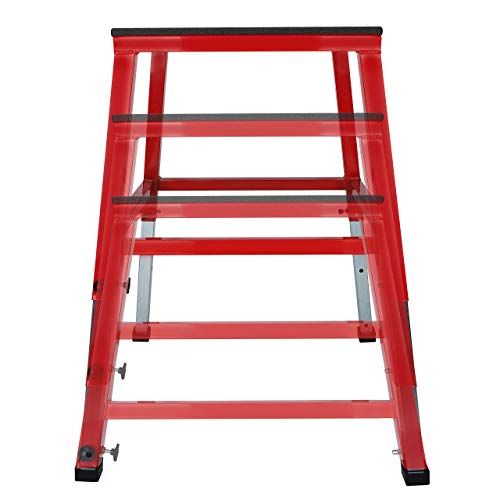
- Three height settings: 12, 16, and 20 inches
- 550-pound capacity with steel construction
- Fully assembled with non-slip landing surface
Best For: Compact, stability-focused jump and agility training
Best Soft-Surface Option

- Three height options in one cushioned box
- Wooden core with EVA foam and vinyl cover
- 450-pound capacity with traction-focused surface
Best For: Cushioned home-gym jumps, step-ups, and HIIT
Best Quick-Adjust Design
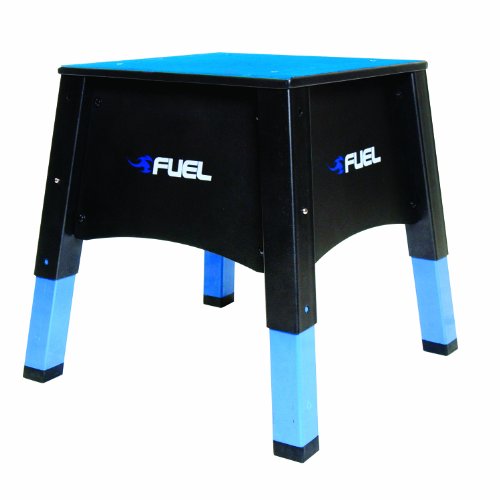
- Spring-button adjustment at 14, 18, and 22 inches
- Steel frame with powder-coat finish
- Rubber feet and 16-by-16-inch non-slip top
Best For: Fast-changing speed, agility, and vertical-jump workouts
Best Multi-Box Set

- Includes 12-, 18-, and 24-inch steel boxes
- 500-pound capacity with trapezoidal construction
- Stackable and suitable for jumps, step-ups, and squats
Best For: Shared gyms and progressive multi-height training
Best Compact Wood Option
CAP Barbell 3-in-1 Plyometric Box

- Three heights: 12, 14, and 16 inches
- Textured non-slip training surface
- 300-pound maximum weight recommendation
Best For: Compact home-gym training and progressive step-ups
Best Heavy-Duty Adjustable Platform

- Three levels with a maximum height of 24 inches
- Textured rubber top for grip
- 400-pound maximum weight capacity
Best For: Taller jumps and demanding home or commercial workouts
Best for Comfort
BalanceFrom 3-in-1 Foam Plyo Box

- Rotates between 16, 20, and 24 inches
- High-density foam softens impact
- Lightweight and easy to reposition
Best For: Beginners and home workouts requiring a softer landing surface
Best Overall
Valor Fitness Adjustable Plyo Box

- Five height settings from 18 to 31 inches
- Steel frame supports up to 400 pounds
- Non-slip top with locking safety hardware
Best For: Progressive home-gym and athletic training
Best Cushioned Option

- Three heights by rotating the box
- Foam-filled surface helps cushion landings
- Lightweight, textured, and ready to use
Best For: Comfort-focused home workouts and HIIT
Best Compact Steel Pick

- Three heights: 14, 18, and 22 inches
- Steel construction supports up to 250 pounds
- Textured platform and non-marking rubber feet
Best For: Compact speed, agility, and jump training
Best Stability Pick – JFIT Adjustable Plyo Box
The JFIT is a practical choice for shoppers comparing adjustable plyometric boxes with a focus on stability and minimal setup. Its steel frame adjusts across three heights and arrives fully assembled.
Best For: Home or gym users who want a compact, heavy-duty adjustable box for jumps, agility drills, and step-ups.
Pros:
- Adjusts to 12, 16, and 20 inches.
- Welded iron construction supports up to 550 pounds.
- Non-slip landing surface, rubber corner pads, and locking pins improve stability.
- No tools or assembly required.
Cons:
- The 14-by-14-inch top platform is relatively compact.
- Only one box is included.
Choose this model when secure footing and a ready-to-use design matter more than a larger jumping surface or multiple box sizes.
Best Soft-Surface Option – Yes4All 3-in-1 Plyo Box
For shoppers seeking adjustable plyometric boxes with a more forgiving landing surface, the Yes4All combines a wooden core with EVA foam and a vinyl cover. Its three-sided design provides different working heights in one space-saving box.
Best For: Home gym users who want cushioned box jumps, step-ups, and HIIT training with multiple height options.
Pros:
- Three-in-one design offers 16-, 14-, and 12-inch heights.
- EVA foam cushioning helps absorb impact.
- Textured PVC surface provides traction and water resistance.
- Supports up to 450 pounds and includes a one-year warranty.
Cons:
- It is not a steel-framed adjustable model.
- The listed dimensions provide a smaller platform than some larger boxes.
This is a sensible pick for users who prioritize landing comfort and versatile positioning over a rigid metal construction.
Best Quick-Adjust Design – Fuel Pureformance Plyo Box
The Fuel Pureformance stands out among adjustable plyometric boxes for its quick spring-button height adjustment. Its steel construction, rubber feet, and non-slip top make it suited to repeatable jump and speed-training sessions.
Best For: Users who want fast transitions between three jump heights for cardiovascular, agility, and vertical-jump workouts.
Pros:
- Adjusts to 14, 18, and 22 inches.
- Steel frame has a blue-and-black powder-coat finish.
- Rubber feet help protect floors and keep the box in place.
- 16-by-16-inch non-slip landing surface.
Cons:
- At 34 pounds, it is heavier than several compact options.
- The supplied notes list only a 30-day manufacturer warranty.
If quick height changes are central to your workout, this box offers a straightforward adjustment system and a higher top setting than the JFIT.
Best Multi-Box Set – VEVOR 3-Piece Plyometric Set
The VEVOR set takes a different approach to adjustable plyometric boxes by including three steel platforms at 12, 18, and 24 inches. It suits households or training spaces that need several fixed heights for varied workouts.
Best For: Multiple users or progressive training programs that benefit from three separate box heights and a broad platform.
Pros:
- Includes 12-, 18-, and 24-inch boxes.
- Trapezoidal steel construction supports up to 500 pounds.
- Rubber pads and textured silicone tops improve grip.
- Can be stacked or disassembled for storage.
Cons:
- Assembly is required.
- The set weighs 39.7 pounds.
- It requires more storage space than a single adjustable box.
This set is a strong choice when training variety and multiple height options are more valuable than a lightweight, instantly ready single platform.
Best Compact Wood Option – CAP Barbell 3-in-1 Plyometric Box
The CAP Barbell 3-in-1 is a compact adjustable plyometric box for home workouts, with three height options built into its rotatable design. Its engineered-wood construction, textured surface, and carry handles make it practical for box jumps, step-ups, agility drills, and conditioning.
Best For: Home-gym users who want a compact wood box with 12-, 14-, and 16-inch training heights.
Pros:
- Three height options support progressive plyometric training.
- Textured surface helps provide traction during jumps and step-ups.
- Interlocking panels, countersunk screws, smooth edges, and carry handles add practical usability.
- Rated for up to 300 pounds.
Cons:
- Its maximum height is 16 inches, which may not suit users seeking taller jumps.
- Engineered wood is less forgiving than foam if a landing is missed.
This CAP Barbell model is a sensible choice when you want adjustable plyometric boxes in a smaller footprint and prefer a structured wood platform. The three heights are useful for gradual progression, though advanced athletes may need a taller box.
Best Heavy-Duty Adjustable Platform – REP Adjustable Plyo Box
The REP Adjustable Plyo Box is a metal jump platform designed for users who want adjustable plyometric boxes with a taller maximum height. Its steel frame, textured rubber top, and three levels make it suitable for box jumps, step-ups, squats, and other demanding workouts.
Best For: Serious home-gym or commercial-space users who prioritize a stable, taller platform and a 400-pound capacity.
Pros:
- Three adjustable levels reach up to 24 inches.
- Welded construction is designed for durability and stability.
- Textured rubber platform supports grip during jumps and landings.
- Nesting design helps conserve storage space.
Cons:
- At 40 pounds, it is heavier to reposition than the foam and wood alternatives.
- The listed material details identify aluminum, while the product description emphasizes welded steel construction, so shoppers should verify the exact frame material.
Choose the REP if stability, height, and load capacity matter more than portability. It offers the most substantial training profile in this lineup, with a compact nesting design that helps offset its heavier build.
Best for Comfort – BalanceFrom 3-in-1 Foam Plyo Box
The BalanceFrom 3-in-1 Foam Plyo Box gives you three rotating heights—16, 20, and 24 inches—in a lightweight format. As adjustable plyometric boxes go, its high-density foam construction is especially appealing for home users who want softer impact and easier repositioning.
Best For: Beginners, home-gym users, and athletes who prefer a lightweight foam box with multiple heights.
Pros:
- Three height settings support jumps, step-ups, HIIT, and agility drills.
- High-density foam provides softer impact and can help minimize shin scrapes.
- Textured anti-slip surface supports steadier landings and step-ups.
- Lightweight design is easy to move and store.
Cons:
- Its 250-pound maximum weight recommendation is lower than the CAP and REP models.
- Foam may not provide the same rigid feel as a wood or metal platform.
- The supplied details list conflicting weights of 10 pounds in the feature notes and 2.5 pounds in the specifications.
The BalanceFrom is the most approachable option for users concerned about hard landings or frequent setup changes. Its 24-inch height and soft foam body offer versatility, while the lower capacity makes checking user weight and workout demands important.
Best Overall – Valor Fitness Adjustable Plyo Box
For shoppers comparing adjustable plyometric boxes, the Valor Fitness model offers five height settings from 18 to 31 inches. Its steel construction, non-slip rubber top, and locking hardware make it suitable for progressive box-jump, step-up, and lower-body strength training.
Best For: Home gyms, garage gyms, and athletes who want a broad range of adjustable training heights.
Pros:
- Five height positions support progressive training and varied exercises.
- Heavy-duty alloy-steel construction has a 400-pound capacity.
- Non-slip rubber top and popper pins with steel safety locks support stable use.
Cons:
- At 50 pounds, it is less convenient to move than lightweight exercise boxes.
- Its 18- to 31-inch range may be more equipment than beginners need.
The Valor Fitness box is a strong choice when adjustability, stability, and high stated weight capacity matter more than portability. The five settings also give users room to increase training difficulty over time.
Best Cushioned Option – OLIXIS 3-in-1 Jump Box
The OLIXIS is a practical alternative among adjustable plyometric boxes for users who prefer a soft landing surface. Rotating the box provides three height settings, while the foam-filled interior and textured Oxford cloth cover support comfortable, grippy landings for home workouts.
Best For: Home users seeking a lightweight, cushioned box for jumps, step-ups, HIIT, and conditioning.
Pros:
- Three height options are available by rotating the box.
- Pearl cotton foam helps absorb landing impact.
- Lightweight design requires no assembly and is easy to reposition.
- Textured cover increases surface friction during jumps and step-ups.
Cons:
- It has fewer adjustment levels than some steel adjustable boxes.
- The supplied notes do not state a maximum weight capacity.
- Soft construction may not provide the same rigid feel as a steel platform.
Choose the OLIXIS if comfort and portability are priorities. Its three-in-one format is convenient for varied home training, though shoppers who need a published high weight capacity may prefer a steel model.
Best Compact Steel Pick – Adjustable 3-Level Plyo Box
This compact steel option keeps adjustable plyometric boxes straightforward with three spring-button heights: 14, 18, and 22 inches. A textured 16-by-16-inch landing platform and non-marking rubber feet support box jumps, step-ups, agility drills, and HIIT in a home or athletic training space.
Best For: Users who want a stable steel box with moderate height settings for speed, agility, and vertical-jump training.
Pros:
- Three heights cover beginner-friendly and intermediate training needs.
- Steel construction has a stated 250-pound capacity.
- Textured platform and rubber feet support grip and floor protection.
- Powder-coated finish is designed for demanding workouts.
Cons:
- Its 22-inch maximum height is lower than some adjustable alternatives.
- The three-level system offers less fine adjustment than five-position models.
- The 16-by-16-inch platform may feel relatively compact for some users.
The FM-CSPLYO is a sensible middle-ground choice for athletes who want steel construction without the larger height range of taller boxes. Its lower settings and floor-friendly feet also suit controlled home training.
How We Picked the Best Adjustable Plyometric Boxes
We compared these Adjustable Plyometric Boxes across the features that most affect safe, repeatable training: height options, construction, platform grip, stability, padding, portability, assembly requirements, and stated weight capacity. We also considered whether each design is better suited to jumping, step-ups, conditioning circuits, or multi-use home-gym work.
A box should provide a secure landing surface and remain stable during fast movements. However, the ideal construction depends on the user. Steel platforms can offer excellent durability and precise height adjustment, while wood-core and foam models may provide a more forgiving landing experience.
Quick Comparison
| Best For | Look For |
|---|---|
| Precise progression | Multiple clearly defined height settings |
| Heavy or frequent use | Steel or reinforced wood construction and a high weight rating |
| Beginner-friendly training | Padded or foam surfaces with stable bases |
| Small home gyms | Compact footprint, easy storage, and low assembly needs |
| Mixed exercises | A broad, non-slip platform suitable for jumps, step-ups, and bench work |
Key Buying Factors for Adjustable Plyometric Boxes
Height Range and Adjustability
Choose a box with a low setting you can land on confidently and a higher setting that supports your progression. Three-position designs are simple and practical, while larger ranges offer more precise programming for experienced athletes.
Construction and Stability
Steel models are often a strong choice for demanding use, but they may feel less forgiving if you miss a landing. Wood-core boxes can balance rigidity and versatility. Foam boxes reduce the risk of striking a hard edge, but they must be dense enough not to shift or collapse under load.
Surface Grip and Safety
Prioritize a non-slip top, stable base, rounded or padded edges, and enough platform area for your foot placement. Place the box on a level, high-traction floor and inspect hinges, pins, fasteners, and padding regularly.
Size, Storage, and Capacity
Check the box dimensions against your available floor space, doorway, and storage area. Do not rely on a generic capacity claim alone: follow the manufacturer’s guidance, especially for dynamic jumping, and account for your body weight plus any external load.
Who Should Buy Which Adjustable Plyometric Boxes?
Beginners and general home-gym users: Choose a padded or foam option with moderate height settings and a broad landing surface. These designs are useful for learning technique and low-impact conditioning.
Progressive athletes: Look for a box with several reliable height levels, strong grip, and enough stability for repeated jumps. Adjustable steel platforms are particularly useful when structured progression matters.
Strength and conditioning enthusiasts: Favor durable wood-core or steel construction, a high stated capacity, and a platform that also works for step-ups, split squats, and other exercises.
Space-conscious buyers: Select a compact model that arrives assembled or stores efficiently. Before purchasing, verify the lowest setting, maximum height, footprint, and required clearance above the platform.