Finding the best heart rate monitor for seniors means balancing readable displays, simple controls, useful health metrics, and dependable everyday performance. The right device should make tracking easier—not add unnecessary technical hassle.
Our selection includes no-phone fitness trackers, wrist-worn monitors, fingertip pulse oximeters, and the KardiaMobile 6L EKG for users who want more detailed heart readings. Use the guide below to compare features and choose the best fit.
Best 10 Heart Rate Monitor for Seniors Picks for 2026
Best All-Around Smartwatch
24/7 Heart Rate Fitness Tracker

- Continuous heart-rate, blood oxygen, blood pressure, and sleep tracking
- Large 1.58-inch display with touch controls and side button
- 120+ exercise modes plus calls, messages, reminders, and weather
Best For: Seniors wanting broad wellness and smartwatch features
Best for Heart Rhythm Checks
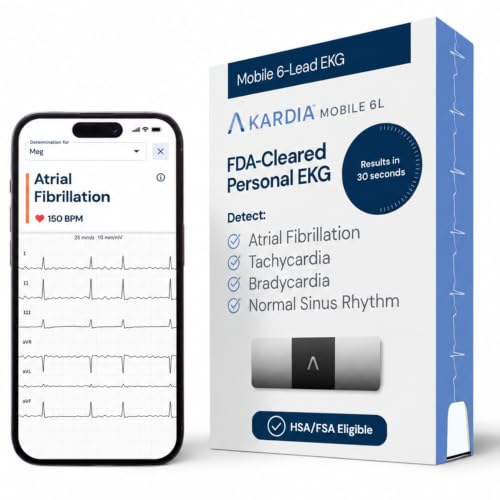
- Six-lead EKG recording in about 30 seconds
- Detects AFib, bradycardia, tachycardia, and normal sinus rhythm
- No membership required for unlimited recordings
Best For: On-demand rhythm checks and sharing data with a doctor
Best Budget Fitness Watch

- 24/7 heart-rate tracking with sleep and activity monitoring
- 25 sports modes and connected-phone GPS route recording
- Up to seven days of battery life with call and message alerts
Best For: Simple daily fitness tracking on a budget
Best Finger-Clip Option
Zacurate 500 Series Pulse Oximeter

- Measures pulse rate, pulse strength, and blood oxygen
- Large user-facing LED display with readings in about 10 seconds
- Includes batteries, silicone cover, lanyard, and one-year warranty
Best For: Quick fingertip pulse and oxygen checks without a smartwatch
Best Finger-Reading Option

- Simple one-button operation
- Large OLED pulse and SpO2 display
- Batteries and lanyard included
Best For: Occasional portable pulse and oxygen checks
Best Budget Senior Watch

- No app or phone required for core use
- Real-time heart-rate and blood-oxygen monitoring
- Tracks activity and sleep with up to 7 days of battery
Best For: Seniors wanting broad wellness tracking in a simple watch
Best Armband Pick

- Comfortable, breathable arm-based design
- Up to 38 hours of operation
- Bluetooth pairing with up to three devices
Best For: Workout-focused heart rate monitoring without a chest strap
Best No-Phone Option

- No app or phone required for basic use
- Tracks heart rate, sleep, and daily activity
- Battery lasts about 5 to 7 days
Best For: Simple wrist-based tracking with minimal setup
Best Health-Tracking Features
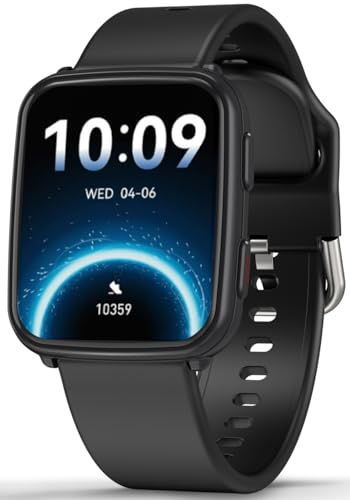
- 24/7 heart rate and blood pressure monitoring
- On-demand blood oxygen and sleep tracking
- 120+ sport modes with up to 7 days of battery
Best For: Broad everyday wellness tracking on a smartwatch
Best All-Around Smartwatch – 24/7 Heart Rate Fitness Tracker
Fitness Tracker Watch with Heart Rate Blood Oxygen Blood Pressure Monitor Sleep Tracker
Check Price On AmazonFor shoppers comparing a heart rate monitor for seniors, this smartwatch offers an easy-to-read 1.58-inch display and continuous heart-rate tracking alongside everyday activity features. It also records blood oxygen, blood pressure, sleep, steps, distance, and calories through its companion app.
Best For: Seniors who want a wearable with broad health, activity, and phone-notification features.
Pros:
- Tracks heart rate, blood oxygen, blood pressure, and sleep around the clock.
- Large, high-resolution display with touch controls and a side button.
- Offers more than 120 exercise modes, reminders, weather, alarms, and call or message notifications.
- IP68 waterproof design, replaceable washable strap, and up to 250 watch-face options.
Cons:
- GPS connectivity requires a paired phone rather than built-in GPS.
- Health readings are presented through the watch and app, so users should review the product’s limitations and not treat them as a medical diagnosis.
This is a feature-rich choice for seniors who want one wearable for routine wellness tracking and communication. Its larger screen and physical side button may be especially helpful for users who prefer straightforward controls.
Best for Heart Rhythm Checks – KardiaMobile 6L EKG
Among options marketed as a heart rate monitor for seniors, KardiaMobile 6L is designed specifically for on-demand heart-rhythm recordings rather than continuous wrist tracking. It captures a six-lead EKG in about 30 seconds and provides FDA-cleared determinations through a compatible smartphone or tablet.
Best For: Seniors who need a compact, smartphone-connected EKG device for sharing rhythm information with a clinician.
Pros:
- Records a medical-grade six-lead EKG in approximately 30 seconds.
- Can detect AFib, bradycardia, tachycardia, and normal sinus rhythm.
- No membership is required for unlimited recordings and the listed rhythm determinations.
- Small, lightweight design with a listed battery life of up to 200 hours.
Cons:
- Requires a compatible smartphone or tablet and the Kardia app.
- It does not check for a heart attack and does not replace routine medical checkups.
- Not tested or recommended for people with pacemakers or ICDs.
KardiaMobile 6L is the more specialized pick when rhythm detail matters more than step counting or smartwatch convenience. Users should follow the manufacturer’s safety guidance and seek medical care for concerning symptoms or emergencies.
Best Budget Fitness Watch – AMOLED Heart Rate Tracker
This affordable heart rate monitor for seniors combines continuous heart-rate tracking with a bright 1.10-inch AMOLED screen. The associated app can show resting-heart-rate trends, sleep information, breathing rate, heart-rate variability, steps, calories, and exercise data.
Best For: Seniors who want a simple fitness tracker with notifications, reminders, and weeklong battery life.
Pros:
- Provides 24/7 heart-rate tracking and app-based trend information.
- Tracks sleep stages, sleep duration, steps, calories, distance, and exercise time.
- Includes 25 sports modes, connected-phone GPS route recording, and IP68 water resistance.
- Offers call and message notifications plus up to seven days of battery life.
Cons:
- The product has no listed warranty.
- GPS is connected through a phone rather than described as built into the watch.
- Sleep and wellness data are for reference and do not replace a doctor’s advice.
With its AMOLED display and uncomplicated activity features, this tracker suits seniors who want everyday monitoring without the broader feature set of a premium smartwatch. Confirm phone compatibility before buying, as it requires Android 5.0 or iOS 9.0 and above.
Best Finger-Clip Option – Zacurate 500 Series Pulse Oximeter
For seniors who prefer a handheld heart rate monitor rather than a smartwatch, the Zacurate 500 Series measures pulse rate alongside blood oxygen saturation. Its large LED display shows results in about 10 seconds, making it a practical spot-checking tool for home or travel use.
Best For: Seniors who want a compact fingertip device for quick pulse-rate and oxygen-saturation readings.
Pros:
- Displays pulse rate, pulse strength, and SpO2 on a user-facing LED screen.
- Provides readings in about 10 seconds and displays SpO2 values up to 100%.
- Includes two AAA batteries, a silicone protective cover, and a lanyard.
- Supports a broad listed pulse range of 30–250 BPM and includes a one-year warranty.
Cons:
- It provides spot readings rather than continuous monitoring.
- Designed for ages 12 and above, but fingertip fit and ease of use may vary.
- It measures pulse and oxygen saturation, not a full EKG or blood-pressure reading.
This is a straightforward choice for seniors who want a dedicated, screen-based device with no smartphone setup. The included accessories and one-year warranty add convenience, while the fingertip format keeps the device focused on quick checks.
Best No-Phone Smartwatch – Senior Friendly Fitness Tracker
For shoppers seeking a heart rate monitor for seniors that is easy to read and does not require constant phone access, this fitness tracker is a practical option. Its 1.83-inch LCD, touchscreen controls, standalone features, and automatic heart-rate tracking keep everyday wellness information accessible.
Best For: Seniors or beginners who want a simple watch with heart-rate monitoring, activity tracking, and optional smartphone connectivity.
Pros:
- Works independently for core features such as steps, timers, and sports tracking.
- Large LCD display and intuitive touchscreen are designed for straightforward navigation.
- Automatically tracks heart rate and offers manual blood-oxygen checks.
- Up to seven days of battery life and IP68 waterproof construction.
Cons:
- GPS functionality is provided through a smartphone rather than built in.
- Bluetooth connectivity and smartphone compatibility may still be needed for calls and notifications.
This is a strong fit when simplicity and longer battery life matter more than advanced smartwatch features. It offers useful heart-rate and activity data in a lightweight, senior-friendly design.
Best Finger-Reading Option – Fingertip Pulse Oximeter
This fingertip pulse oximeter is a compact alternative for anyone comparing a heart rate monitor for seniors with a device that provides readings on demand. A one-button design and bright OLED display show pulse rate, SpO2, and signal strength in large digits.
Best For: Seniors who prefer a simple, portable device for occasional pulse and blood-oxygen checks at home or while traveling.
Pros:
- One-button operation makes it easy to use without an app or smartphone.
- Large OLED digits and a waveform bar graph help make readings easier to see.
- Includes two AAA batteries, a lanyard, and an instruction manual.
- Compact design fits in a pocket or bag and powers off automatically.
Cons:
- It provides spot checks rather than continuous, wearable heart-rate monitoring.
- The listed SpO2 measuring range is 70% to 100%.
Choose this model if straightforward, occasional readings are the priority. It is less suited to users who want activity, sleep, or all-day heart-rate tracking from a wrist-worn device.
Best Budget Senior Watch – No-App Pedometer Watch
For those looking for a heart rate monitor for seniors with no app setup, this pedometer watch combines real-time heart-rate monitoring with steps, calories, distance, activity time, sleep data, and manual blood-oxygen checks. Its color display and touchscreen are intended to keep operation simple.
Best For: Seniors who want a lightweight, phone-independent fitness watch with basic wellness and activity features.
Pros:
- Core tracking functions work without an app or smartphone connection.
- Monitors heart rate in real time and includes blood-oxygen monitoring.
- Tracks steps, calories, distance, activity time, and sleep data.
- Magnetic charging takes about 1.5 hours and provides up to seven days of use; IP68 waterproofing adds versatility.
Cons:
- Its 41mm display is smaller than the 1.83-inch display on the other senior-friendly watch listed here.
- Smartphone compatibility is listed, so connected functions may require a phone.
This watch is a useful middle ground for seniors who want more than a basic pedometer but do not want a complicated setup. Its independent tracking and broad set of wellness features make it practical for daily wear.
Best Armband Pick – COROS Heart Rate Monitor
For seniors who want a focused heart rate monitor for seniors during exercise, the COROS armband offers a comfortable alternative to a chest strap. It connects by Bluetooth, supports up to three paired devices at once, and provides up to 38 hours of operation per charge.
Best For: Active seniors who want workout-focused heart rate readings without wearing a chest strap.
Pros:
- Soft, breathable fabric band lays flat around the arm.
- Wear detection powers the monitor on and off automatically.
- Can connect simultaneously to up to three Bluetooth devices.
- Battery lasts up to 38 hours of operation or 80 days on standby.
Cons:
- Designed for sports and activities rather than daily heart rate tracking.
- Bluetooth only; it is not compatible with ANT+.
- Large band fits 9.4 to 16.9-inch arms, so sizing should be checked.
This is a good choice when comfort and reliable exercise data matter most. Its sport-specific design and Bluetooth-only connectivity make it less suitable for seniors seeking an always-on wellness monitor or ANT+ compatibility.
Best No-Phone Option – LIVIKEY Fitness Tracker Watch
This LIVIKEY watch is a practical heart rate monitor for seniors who prefer a simple wrist device without mandatory app or smartphone setup. It tracks heart rate, sleep, steps, distance, calories, and activity time, while its 5-to-7-day battery life reduces frequent charging.
Best For: Seniors who want basic heart rate and activity tracking on a watch without needing a phone for everyday use.
Pros:
- Works as a fitness tracker without requiring an app or smartphone connection.
- Monitors heart rate and sleep and records daily activity metrics.
- Includes nine sport modes, alarms, a stopwatch, and sedentary reminders.
- IP68 waterproof rating suits sweat, hand-washing, and rainy conditions.
Cons:
- Advanced settings and daily step goals use the app.
- Notifications require Bluetooth pairing with a compatible iPhone or Android phone.
- It cannot make calls or send texts.
The straightforward operation makes this tracker appealing for seniors who do not want a complicated setup. It offers useful everyday measurements, though those who want richer phone-based analysis or calling features may need a more advanced smartwatch.
Best Health-Tracking Features – MorePro Fitness Tracker
The MorePro fitness tracker combines heart rate monitoring with blood pressure readings, on-demand blood oxygen checks, sleep tracking, and activity metrics. For seniors comparing a heart rate monitor for seniors, it provides a broad wellness overview through a wrist-worn device, although the manufacturer says it is not for medical use.
Best For: Seniors who want heart rate monitoring alongside blood pressure, blood oxygen, sleep, and activity tracking.
Pros:
- Offers 24/7 heart rate and blood pressure monitoring.
- Includes on-demand blood oxygen checks and detailed sleep tracking.
- Supports more than 120 sport modes plus steps, distance, calories, and training time.
- IP68 water resistance and up to seven days of normal-use battery life support daily wear.
Cons:
- Health readings are for wellness guidance, not medical use.
- Requires an Android 7.0+ or iOS 13.0+ smartphone for compatibility.
- Not compatible with PCs or tablets.
This is the most feature-rich option of the three for seniors who want several wellness measurements in one device. Its broader tracking capabilities come with greater dependence on a compatible smartphone and should not replace professional medical monitoring.
How We Picked the Best Heart Rate Monitor for Seniors
We focused on products that make heart-rate tracking practical for older adults, giving priority to clear displays, straightforward controls, comfortable designs, and useful health information. The roundup includes both continuous-monitoring wearables and spot-check devices because they serve different needs.
We also considered whether each product requires a smartphone or app, how many measurements it offers, water resistance, battery convenience, and the difference between wellness tracking and medically oriented readings. Product claims should always be checked against the manufacturer’s current specifications.
Quick Comparison
| Device type | Best for | Phone required? | Typical monitoring style |
|---|---|---|---|
| Smartwatch or fitness tracker | Daily activity and trends | Varies | Continuous or scheduled tracking |
| ECG device | Recording heart rhythm readings | Usually yes | Spot checks |
| Fingertip pulse oximeter | Quick pulse and oxygen readings | No | Spot checks |
| No-app tracker or pedometer watch | Simple independent use | No | On-device tracking |
Key Buying Factors for a Heart Rate Monitor for Seniors
Readability and Controls
Look for large numerals, strong contrast, a bright screen, and buttons or menus that are easy to understand. A simple interface can matter more than having dozens of exercise modes.
Monitoring Purpose
Wrist trackers are useful for observing everyday patterns, activity, sleep, and resting heart rate. A pulse oximeter provides quick spot readings, while an ECG device is designed to capture a more detailed electrical heart recording. These categories are not interchangeable.
Phone and App Requirements
Choose a no-app model if the user wants to view information directly on the device or does not regularly use a smartphone. App-connected products can offer graphs, history, alerts, and sharing, but setup and syncing may be more demanding.
Comfort, Battery, and Fit
A monitor is most useful when it is worn or used consistently. Check band adjustability, charging frequency, water resistance, and whether the display remains readable during normal use. For fingertip models, a secure fit and included batteries or lanyards can improve convenience.
Accuracy and Medical Limits
Consumer monitors are generally intended for wellness and informational purposes unless specifically cleared for a medical use. Do not use readings to diagnose a condition or change medication without professional guidance. Seek medical help for concerning symptoms, regardless of a device reading.
Who Should Buy Which Heart Rate Monitor for Seniors?
- For simple daily tracking: Choose a senior-friendly fitness tracker or pedometer watch that works without an app or phone.
- For activity, sleep, and trend monitoring: A smartwatch or fitness tracker with continuous heart-rate tracking offers the broadest everyday overview.
- For quick oxygen and pulse checks: Select a fingertip pulse oximeter with a clear OLED display and straightforward operation.
- For recorded heart rhythm readings: The KardiaMobile 6L is the specialized choice, particularly for users comfortable with a companion device and app.
- For exercise-focused users: Consider a dedicated wearable heart-rate monitor, such as the COROS option, when sensor placement and workout data matter most.